Guide
What should happen after the repair
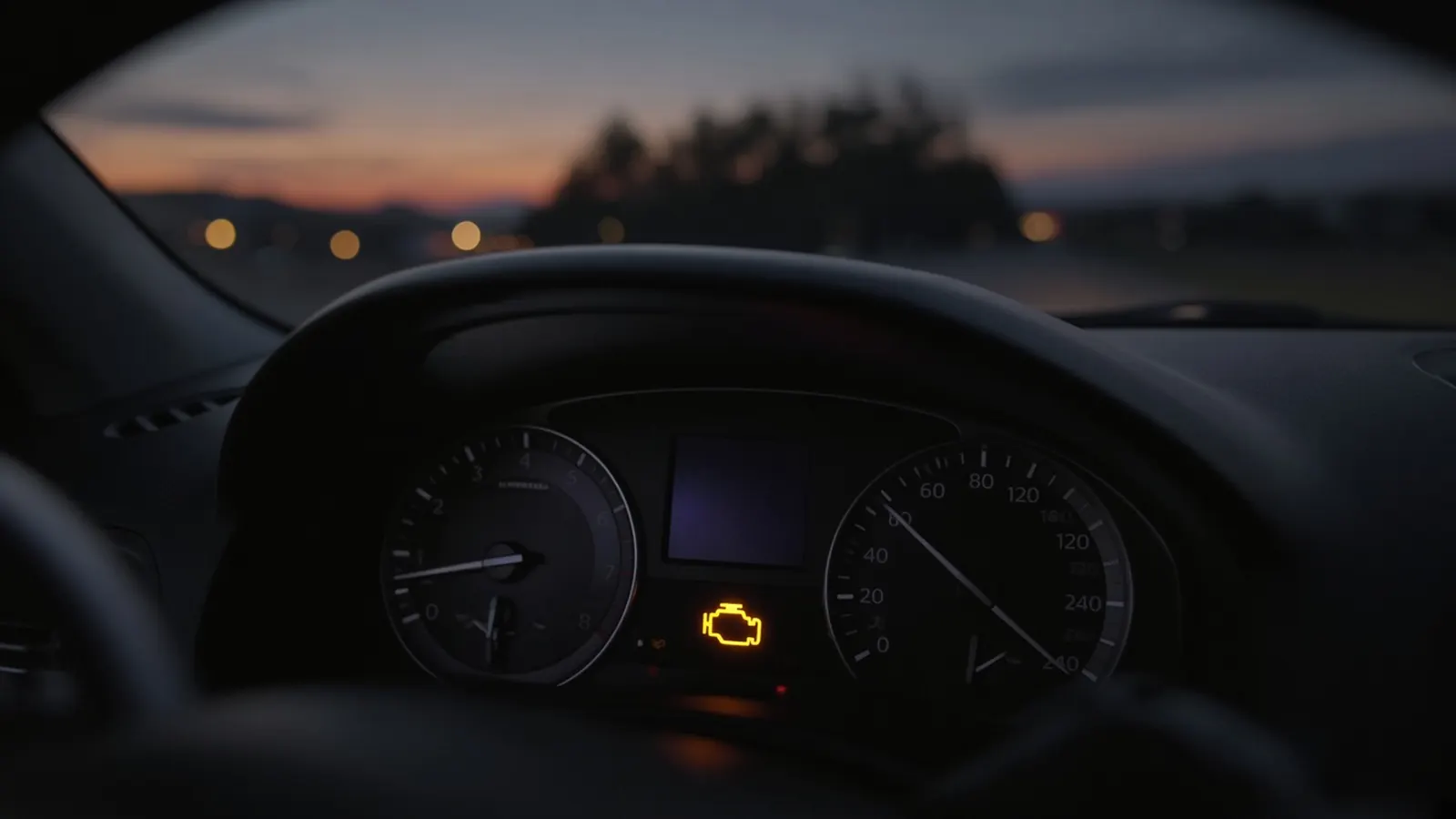
When the repair is done, the code should be cleared once, on purpose, so you can see whether it returns. Save the old codes first. Then drive the car the way that monitor requires. A repair that was never retested is a guess that happens to be installed.
The light staying off for one short trip is not always the end. Some monitors need a cold start, a specific fuel level, or a highway cruise. Ask which monitor belongs to the code you repaired, and whether it has reported ready and passed.
If the same code returns with the same freeze frame, the part you replaced was not the cause, or the cause is still there beside it. Do not buy the same part again. Look at the wiring, the connector, and the condition the sensor was measuring.
Keep the receipt, the code list, and the part number. If the light returns, that record is what stops the next visit from starting over.
What should happen after the repair is the decision you make before opening a single code page. Once you have the code, open that page and read the fault type. An open circuit, a low reading, a leak, and an efficiency failure are not the same repair, even when they mention the same part.
Keep the driving limits narrow. A flashing light, an oil-pressure warning, an overheating engine, a slipping transmission, liquid fuel, or an orange high-voltage cable overrides the general advice that a steady lamp can be driven gently to a shop.
The service information for the exact year and engine still controls pinouts, torque, fluid type, and high-voltage isolation. This guide does not invent those values, and it does not claim a repair that was not performed on a specific car.