Guide
Steady versus flashing check engine light
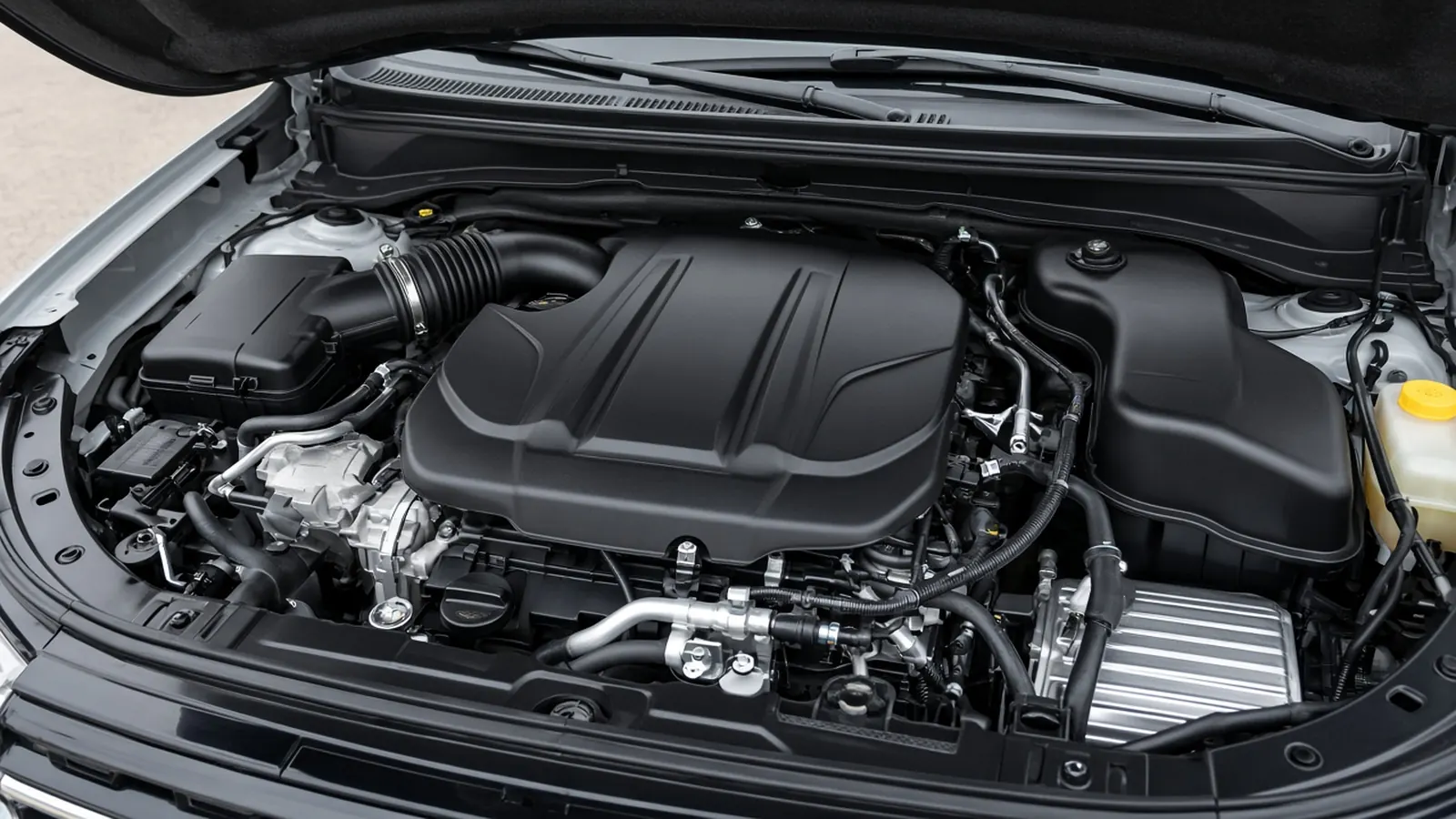
A steady check engine light means a fault is stored and the computer wants it inspected. Many steady lights are safe enough for a short, gentle drive to a shop if the engine is not overheating, oil pressure is normal, and the car still drives in gear.
A flashing check engine light is different. The flash is the warning that a misfire is severe enough to send raw fuel into the catalyst. The catalyst can overheat. Lift off the throttle, leave the traffic lane when you can, and stop. Do not keep a highway speed because the car still moves.
Some cars flash for a moment during the event and then go steady once the misfire count drops. Treat the flash as the event it was. Read the misfire codes, including cylinder codes P0301 and above, before anyone clears them.
Other lamps are not the check engine light. An oil-pressure lamp, a temperature lamp, and a brake lamp are their own warnings. If one of those is on, follow that warning even if the check engine light is dark.
Steady versus flashing check engine light is the decision you make before opening a single code page. Once you have the code, open that page and read the fault type. An open circuit, a low reading, a leak, and an efficiency failure are not the same repair, even when they mention the same part.
Keep the driving limits narrow. A flashing light, an oil-pressure warning, an overheating engine, a slipping transmission, liquid fuel, or an orange high-voltage cable overrides the general advice that a steady lamp can be driven gently to a shop.
The service information for the exact year and engine still controls pinouts, torque, fluid type, and high-voltage isolation. This guide does not invent those values, and it does not claim a repair that was not performed on a specific car.