Guide
Why you should not clear the code first
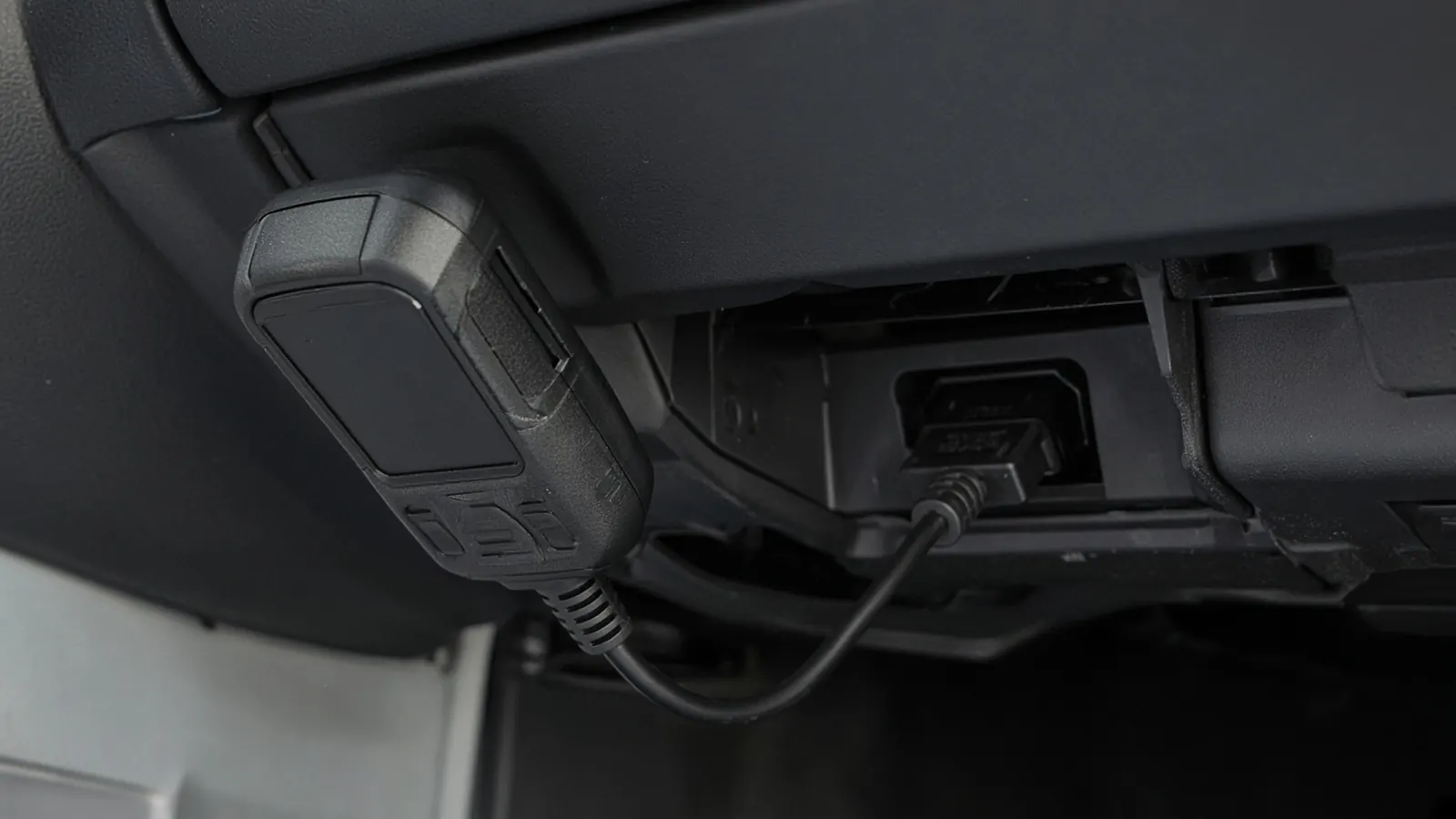
The clear function is a test tool. Used first, it throws away the freeze frame, the pending list, and sometimes the only clue to when the fault happened. The light going out feels like progress. It is the opposite.
Inspections look at readiness monitors. A clear sets those monitors to incomplete. A car that would have failed for the lamp can then fail for not being ready, or it can pass the lamp check and still be broken.
Clear after you have recorded the codes and the frame, and when you are ready to see whether a repair worked. If you are handing the car to a shop, leave the codes stored. Tell them you have not cleared it.
Disconnecting the battery to turn the light off is the same kind of clear, with the added chance of losing radio codes, window settings, and transmission adaptations. It is not a repair.
Why you should not clear the code first is the decision you make before opening a single code page. Once you have the code, open that page and read the fault type. An open circuit, a low reading, a leak, and an efficiency failure are not the same repair, even when they mention the same part.
Keep the driving limits narrow. A flashing light, an oil-pressure warning, an overheating engine, a slipping transmission, liquid fuel, or an orange high-voltage cable overrides the general advice that a steady lamp can be driven gently to a shop.
The service information for the exact year and engine still controls pinouts, torque, fluid type, and high-voltage isolation. This guide does not invent those values, and it does not claim a repair that was not performed on a specific car.