Guide
How to use freeze frame data
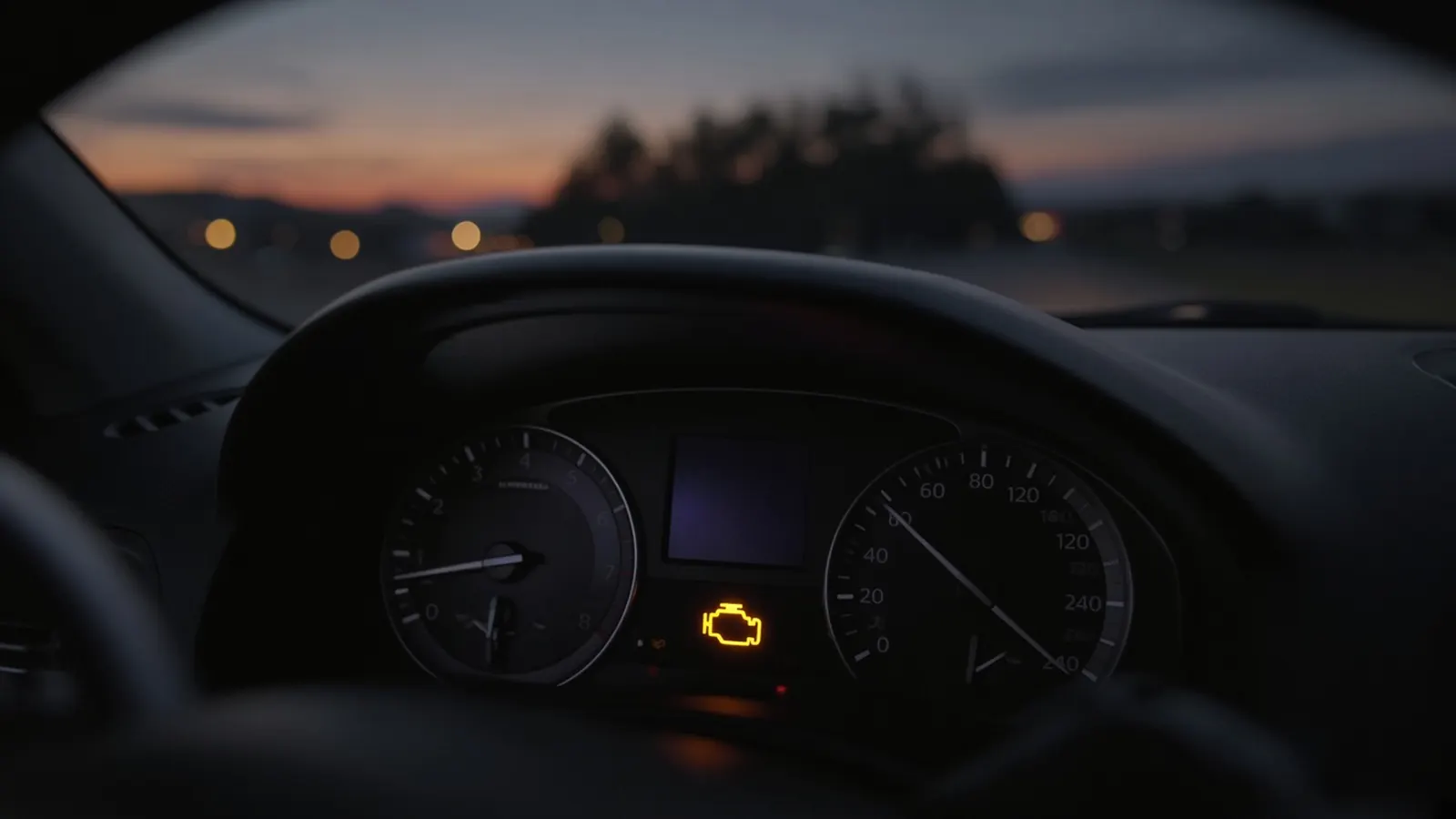
Freeze frame is the computer's snapshot for a stored code. It usually includes engine speed, calculated load, coolant temperature, vehicle speed, and the fuel system status. Better tools add fuel trim, throttle position, and which code the frame belongs to.
Read it before you clear the car. Clearing the code clears the frame on a generic tool. The light can return next week without the only record of the conditions.
Use the frame as a filter. A lean code at hot idle points toward unmetered air or an idle problem. The same code at wide-open throttle points toward fuel delivery under load. Those are different tests.
The frame is not a verdict. It says when the test failed. It does not say which part to replace. Pair it with the code title and the other codes stored in the same visit.
How to use freeze frame data is the decision you make before opening a single code page. Once you have the code, open that page and read the fault type. An open circuit, a low reading, a leak, and an efficiency failure are not the same repair, even when they mention the same part.
Keep the driving limits narrow. A flashing light, an oil-pressure warning, an overheating engine, a slipping transmission, liquid fuel, or an orange high-voltage cable overrides the general advice that a steady lamp can be driven gently to a shop.
The service information for the exact year and engine still controls pinouts, torque, fluid type, and high-voltage isolation. This guide does not invent those values, and it does not claim a repair that was not performed on a specific car.