Guide
Fuel cap and EVAP leak codes
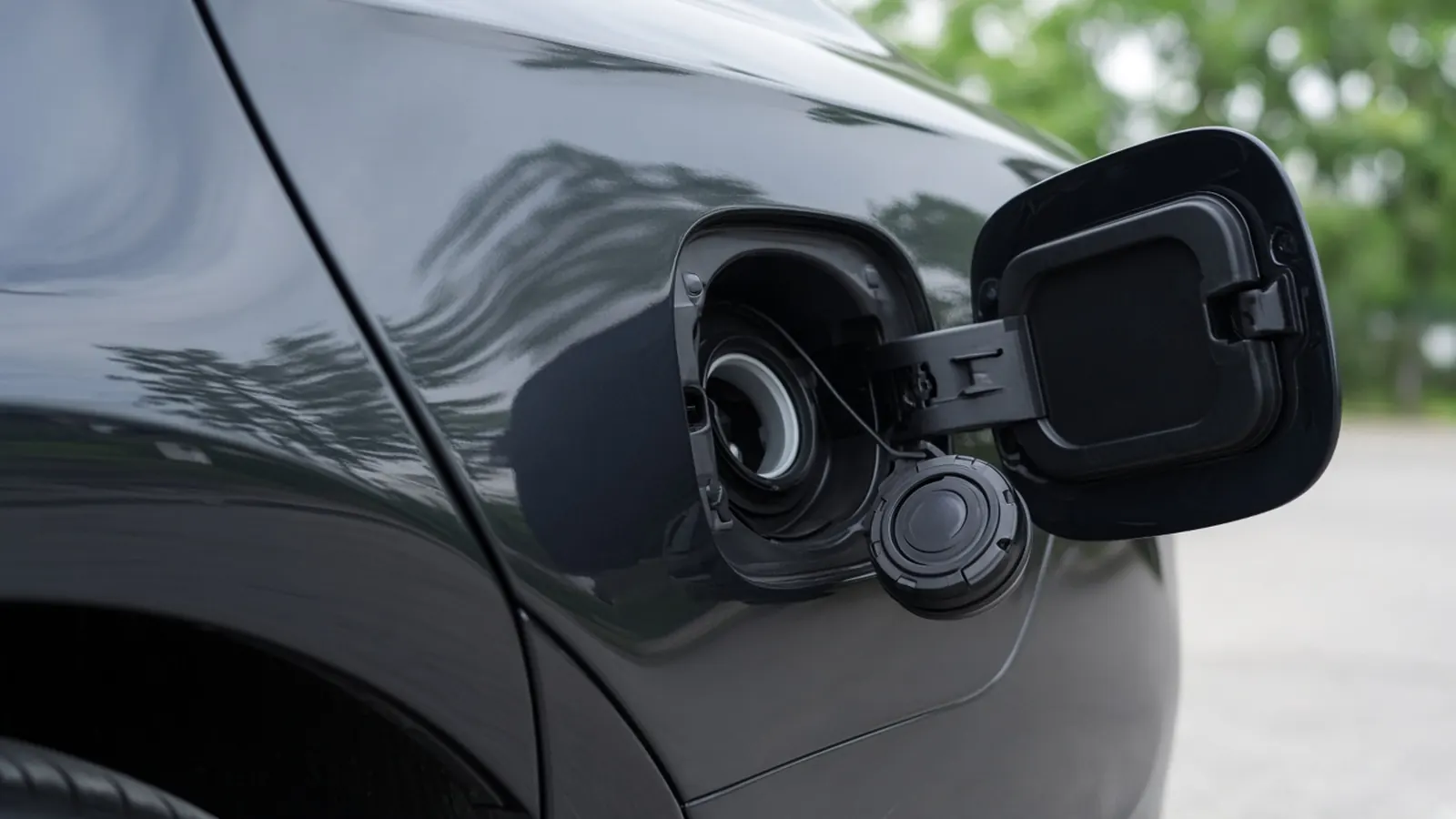
EVAP is the evaporative emission system. It stores fuel vapor and lets the engine burn that vapor instead of venting it. The computer tests whether the system holds pressure or vacuum. When it does not, you get a leak code.
A gross leak, such as P0455, is the wide-open version. A small leak, such as P0442, and a very small leak, such as P0456, are tighter tests. P0457 points more specifically at the cap or filler. Read the code you actually have.
Look at the cap, the seal, and hoses at the purge valve if you can see them without dismantling the car. Stop if you smell a strong fuel odor or see liquid fuel. Smoke testing and tank-drop work are shop jobs.
A new canister, purge valve, or vent valve is sometimes the failed part. It is the wrong first purchase if the cap was loose. Confirm the code is still there after the cap has been seated and the monitor has had a chance to run.
Fuel cap and EVAP leak codes is the decision you make before opening a single code page. Once you have the code, open that page and read the fault type. An open circuit, a low reading, a leak, and an efficiency failure are not the same repair, even when they mention the same part.
Keep the driving limits narrow. A flashing light, an oil-pressure warning, an overheating engine, a slipping transmission, liquid fuel, or an orange high-voltage cable overrides the general advice that a steady lamp can be driven gently to a shop.
The service information for the exact year and engine still controls pinouts, torque, fluid type, and high-voltage isolation. This guide does not invent those values, and it does not claim a repair that was not performed on a specific car.