Guide
How to read a code without guessing the part
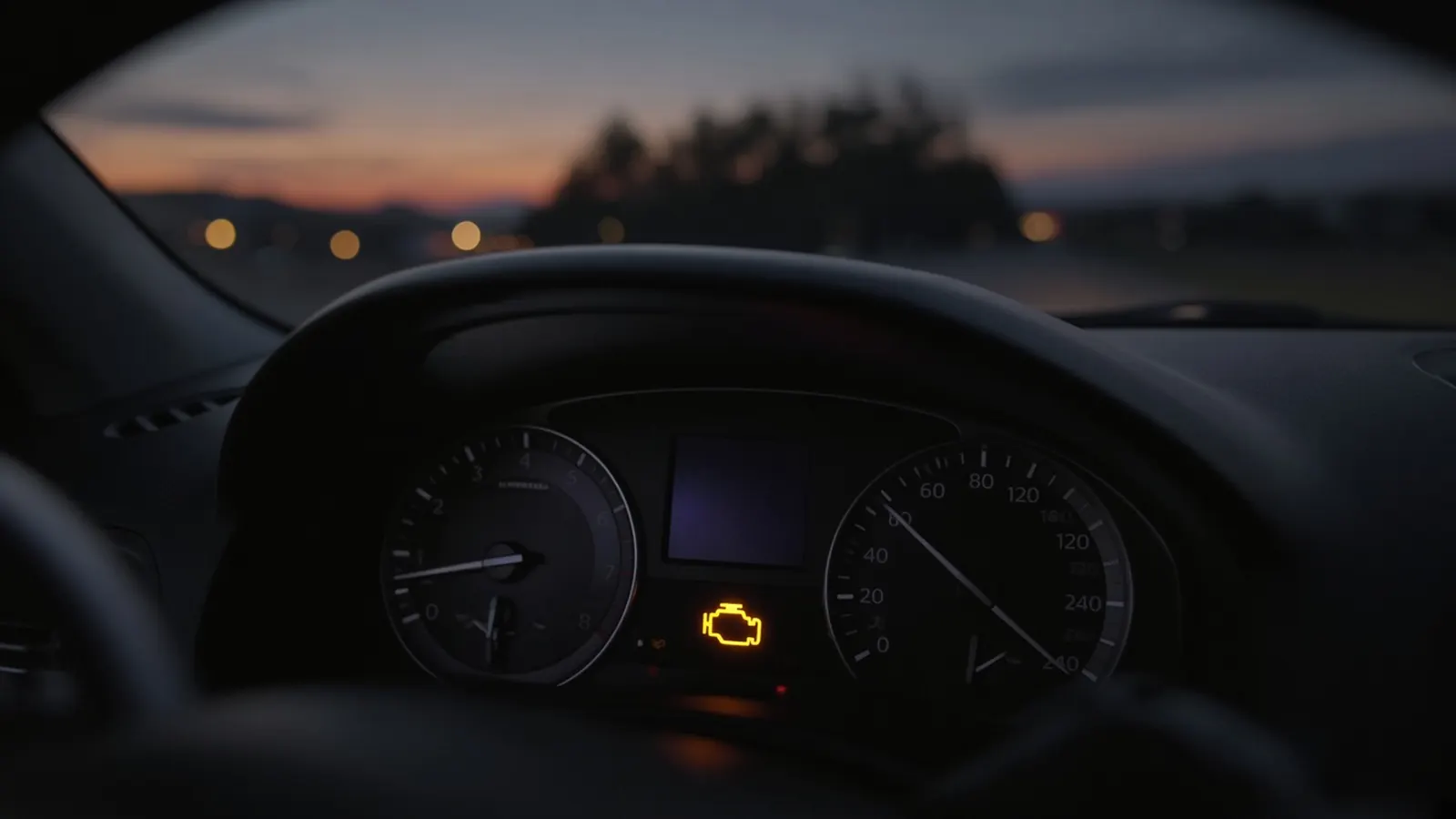
Plug a code reader into the OBD port. On most cars since 1996 the port is within reach of the driver, often under the dash near the steering column. The tool should talk to the car with the key on. Write down every code it shows, not only the first.
Then write down the freeze frame if the tool has it. Freeze frame is a snapshot of engine speed, load, temperature, and speed from about the moment the fault set. A fault that set at idle is a different job from a fault that set at highway load.
Separate pending and confirmed. A pending code has been seen once and may not have turned the light on yet. A confirmed code has met the monitor's rule for the lamp. Both are worth keeping. Neither one is a parts order.
The title of the code names the test. An open circuit, a low circuit, and a range/performance result are different failures of the same part. Read the words after the code. Then look for an obvious connector, cap, or hose that matches those words. Stop there if the next step needs a wiring diagram or a smoke machine.
How to read a code without guessing the part is the decision you make before opening a single code page. Once you have the code, open that page and read the fault type. An open circuit, a low reading, a leak, and an efficiency failure are not the same repair, even when they mention the same part.
Keep the driving limits narrow. A flashing light, an oil-pressure warning, an overheating engine, a slipping transmission, liquid fuel, or an orange high-voltage cable overrides the general advice that a steady lamp can be driven gently to a shop.
The service information for the exact year and engine still controls pinouts, torque, fluid type, and high-voltage isolation. This guide does not invent those values, and it does not claim a repair that was not performed on a specific car.