Guide
Misfire codes and a flashing light
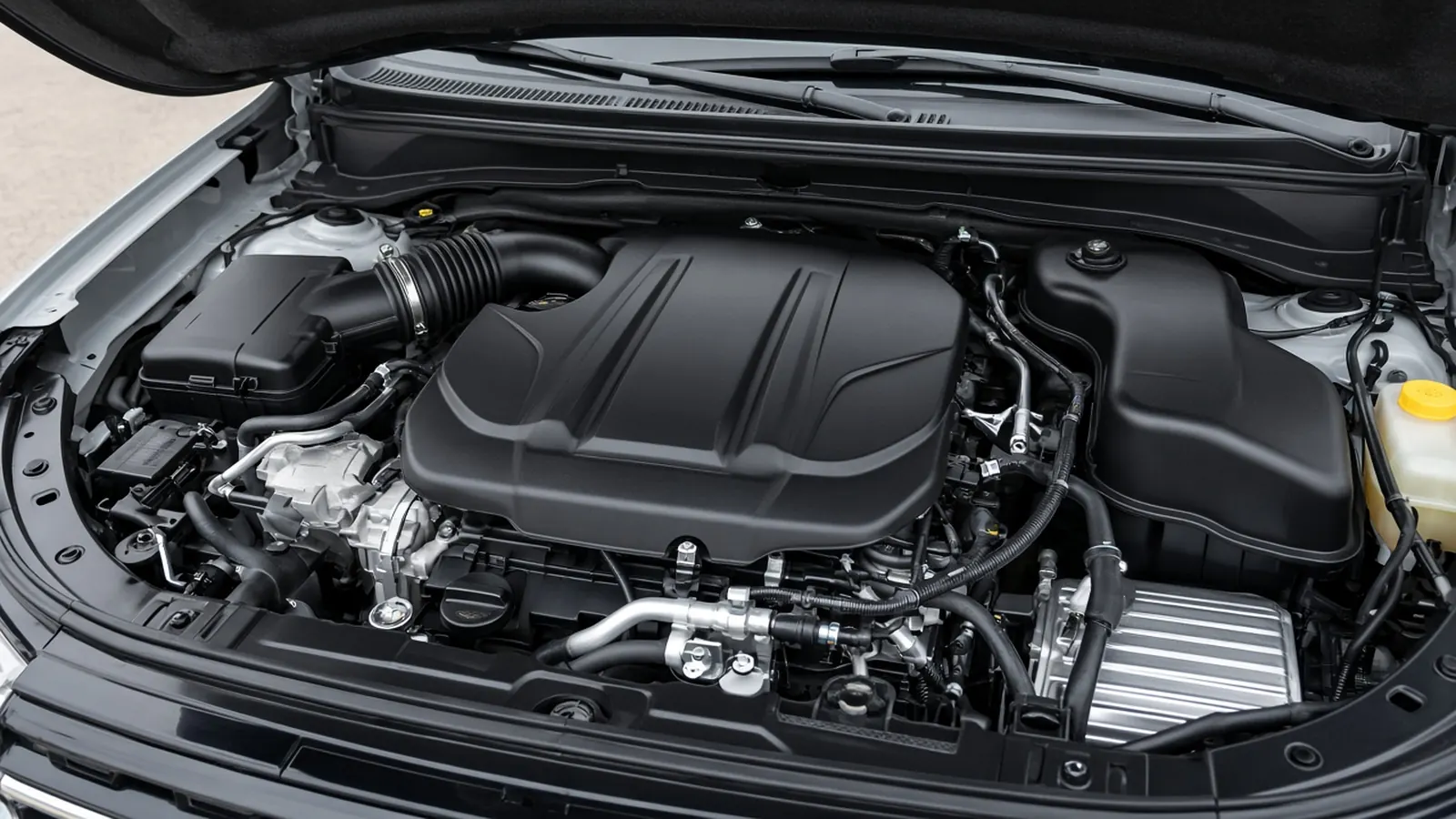
P0300 means misfires were counted across cylinders or could not be pinned to one cylinder. P0301 is cylinder 1, P0302 is cylinder 2, and the pattern continues. The cylinder number is the useful clue. Keep it.
A misfire is a cylinder that did not deliver a normal power stroke. Spark, fuel, and compression can each be the reason. A coil, a plug, an injector, a vacuum leak at one port, or a mechanical problem can all set the same cylinder code. The code does not rank those causes.
If the light flashes, stop driving. The flash means the misfire is current and severe enough to damage the catalyst. A steady light with a stored misfire is still a combustion fault. It is not a reason for a long trip.
Do not pull plug wires or coil connectors on a running engine. You can get shocked, and you can create the misfire you are trying to find. A shop compares contribution, spark, and fuel on the named cylinder.
Misfire codes and a flashing light is the decision you make before opening a single code page. Once you have the code, open that page and read the fault type. An open circuit, a low reading, a leak, and an efficiency failure are not the same repair, even when they mention the same part.
Keep the driving limits narrow. A flashing light, an oil-pressure warning, an overheating engine, a slipping transmission, liquid fuel, or an orange high-voltage cable overrides the general advice that a steady lamp can be driven gently to a shop.
The service information for the exact year and engine still controls pinouts, torque, fluid type, and high-voltage isolation. This guide does not invent those values, and it does not claim a repair that was not performed on a specific car.