Guide
Network and lost-communication codes
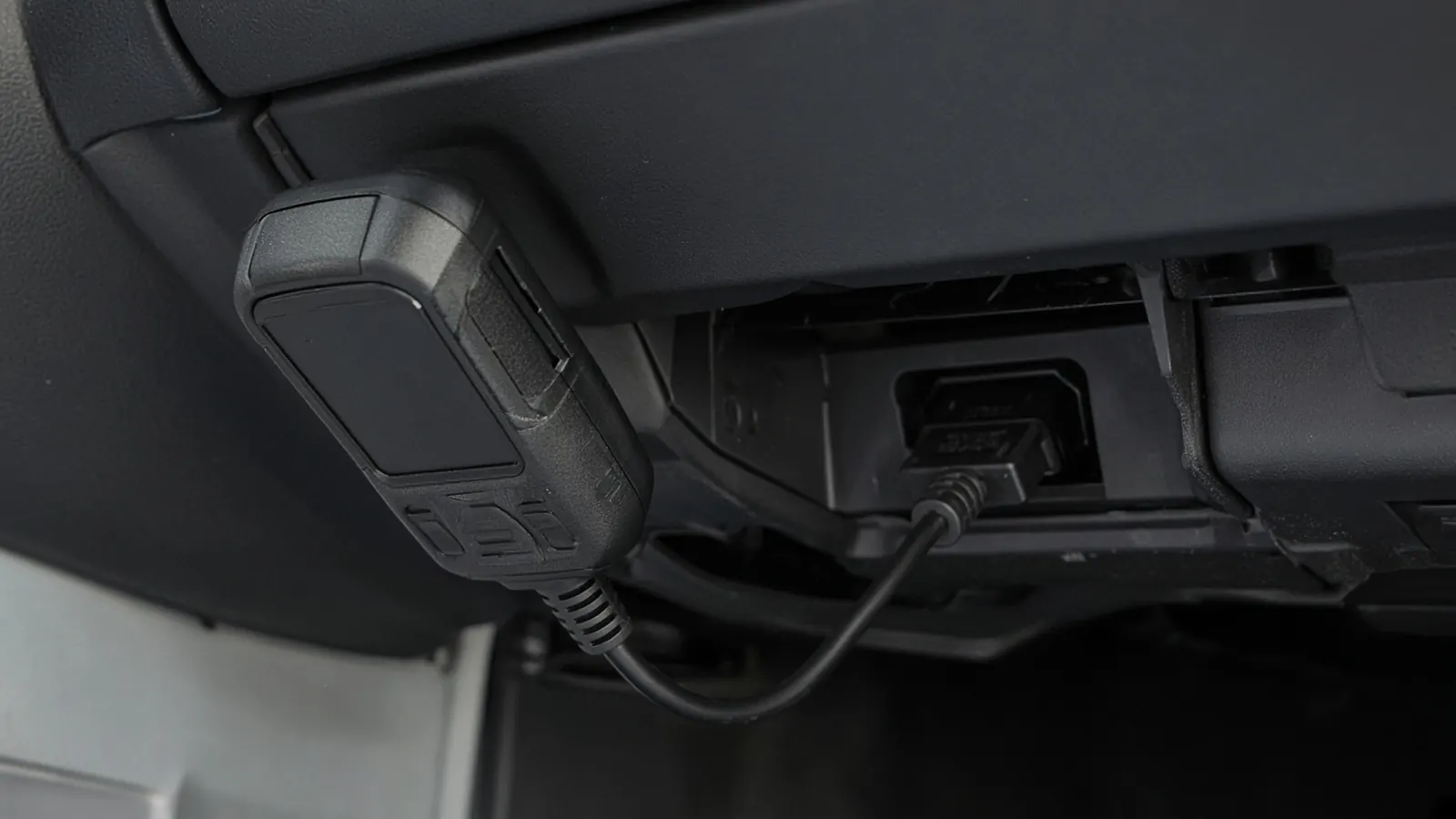
Codes that start with U are network codes. U0100, for example, means communication with the engine control module was lost. A bus-off code means the network itself is reported down.
Low battery voltage sets crowds of communication codes. A generator that is not charging, a loose battery terminal, or a recent jump-start can do it. Check voltage and the terminals before you replace a module that looks silent.
A module can also be silent because its own power or ground is missing. On the network it looks the same as a failed module. The diagram and a power test separate those.
Do not splice into the network wires or unplug every module to see what happens. Network repairs are a tracing job. Random unplugging creates new codes and can leave a module unconfigured.
Network and lost-communication codes is the decision you make before opening a single code page. Once you have the code, open that page and read the fault type. An open circuit, a low reading, a leak, and an efficiency failure are not the same repair, even when they mention the same part.
Keep the driving limits narrow. A flashing light, an oil-pressure warning, an overheating engine, a slipping transmission, liquid fuel, or an orange high-voltage cable overrides the general advice that a steady lamp can be driven gently to a shop.
The service information for the exact year and engine still controls pinouts, torque, fluid type, and high-voltage isolation. This guide does not invent those values, and it does not claim a repair that was not performed on a specific car.