Guide
Readiness monitors and an emissions inspection
Readiness monitors are the computer's record of which self-tests have run to completion since the last time codes were cleared. An emissions inspection in many places looks at those monitors as well as whether the light is on.
If you clear the light to try to pass, you also set the monitors to not ready. The car can then fail for incomplete monitors, or the station can turn you away until enough of them have run.
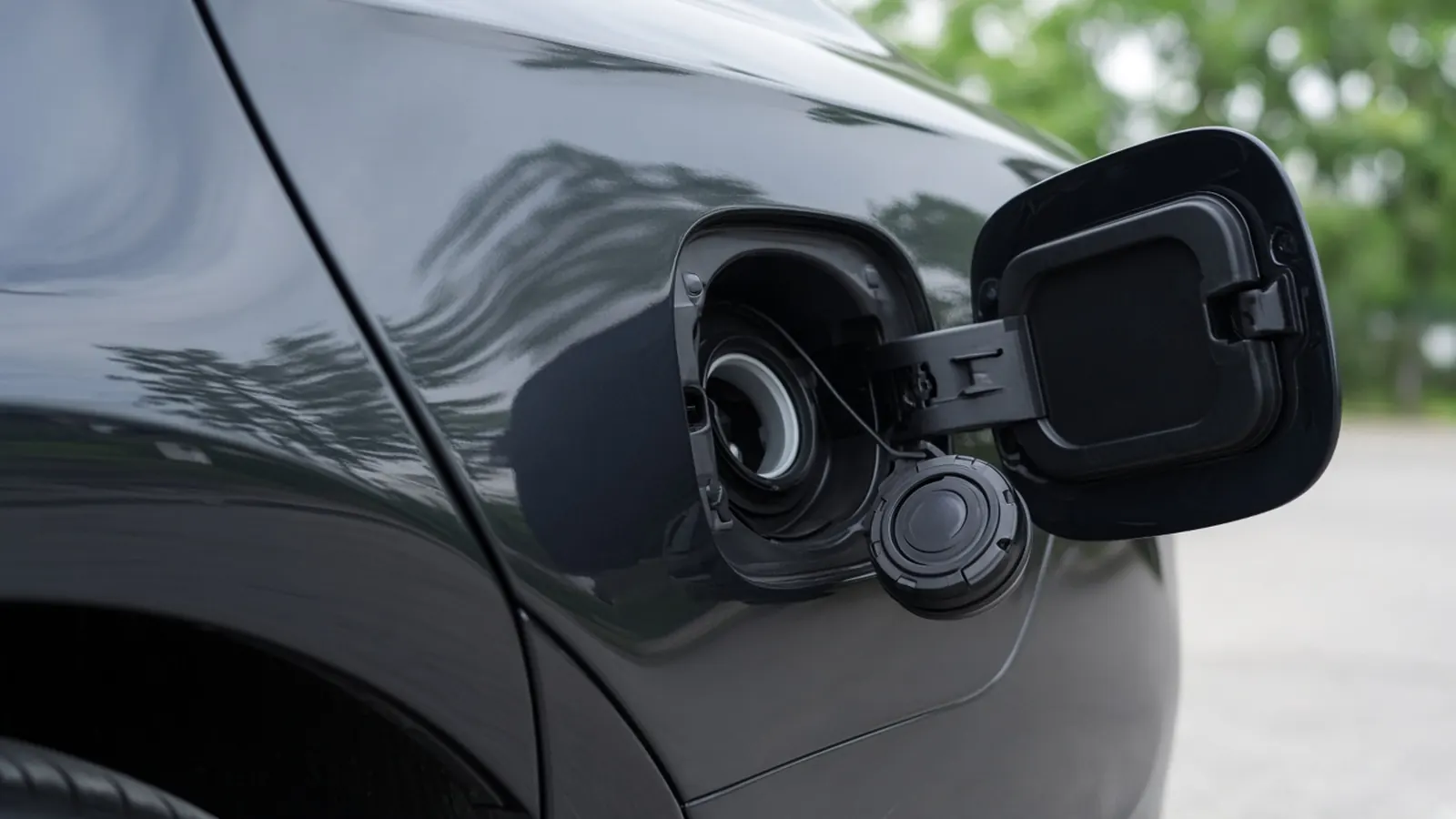
Monitors run under particular conditions. A catalyst monitor wants a warm engine and a steady cruise. An evaporative monitor may want a cold start and a fuel level that is not full and not empty. Short trips may never finish the set.
The honest path is to repair the fault, then drive until the monitors complete. A not-ready status is not a new broken part. It is unfinished self-testing.
Readiness monitors and an emissions inspection is the decision you make before opening a single code page. Once you have the code, open that page and read the fault type. An open circuit, a low reading, a leak, and an efficiency failure are not the same repair, even when they mention the same part.
Keep the driving limits narrow. A flashing light, an oil-pressure warning, an overheating engine, a slipping transmission, liquid fuel, or an orange high-voltage cable overrides the general advice that a steady lamp can be driven gently to a shop.
The service information for the exact year and engine still controls pinouts, torque, fluid type, and high-voltage isolation. This guide does not invent those values, and it does not claim a repair that was not performed on a specific car.