Guide
Transmission codes and limp mode
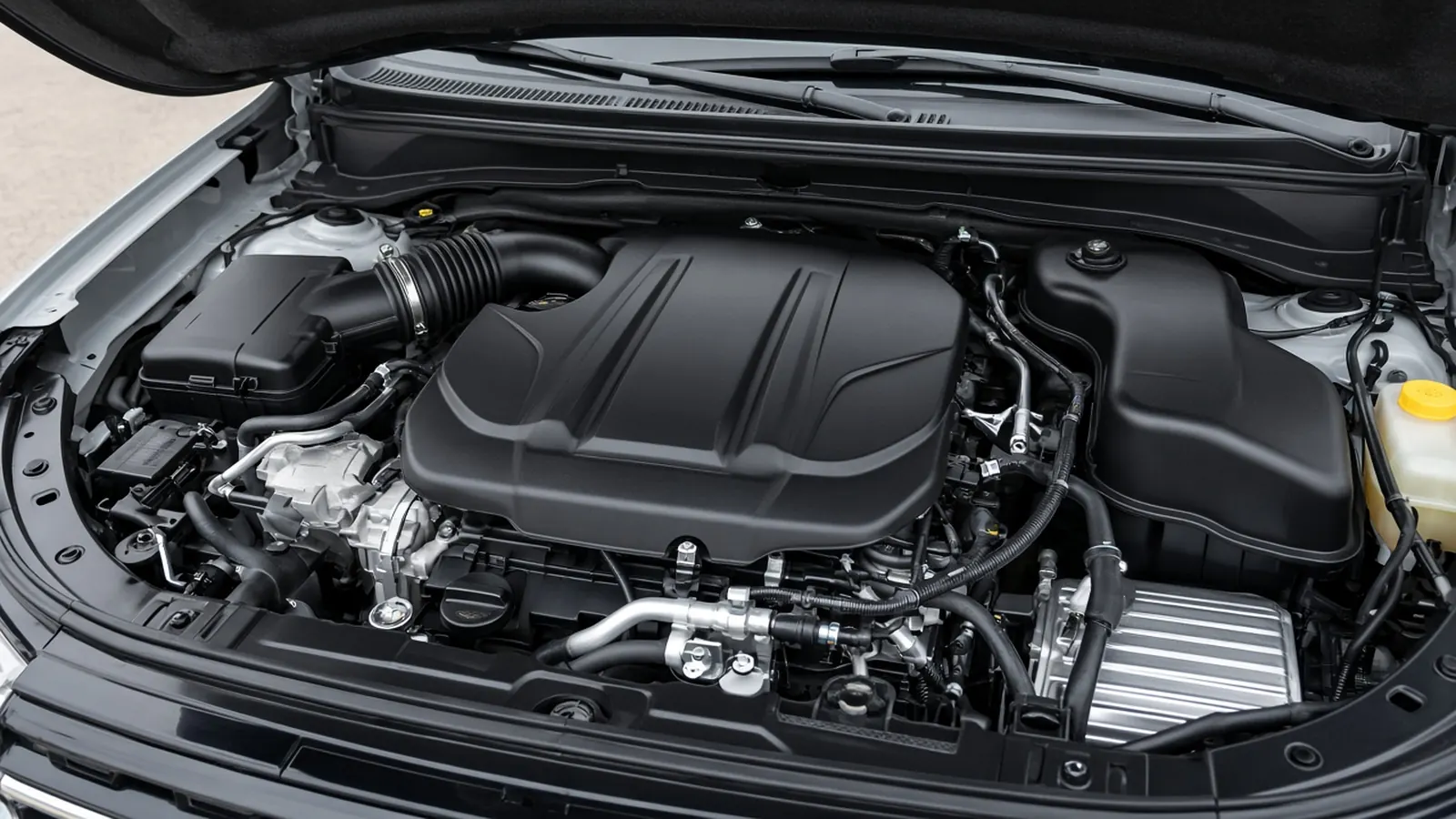
P0700 means the transmission control system asked the check engine light to come on. The descriptive code is often stored in the transmission module. A basic reader that only shows generic powertrain codes can stop at P0700 and hide the useful one.
Slipping, a harsh shift, a flare between gears, or a car that stays in one gear is a reason to stop. Driving farther can turn a solenoid or sensor fault into a damaged clutch pack. Metal in the fluid or a burned smell means do not nurse it home on the highway.
Fluid level checks are specific to the transmission. Some have a dipstick. Many do not, and the level is checked at a temperature the procedure names. The wrong fluid, or fluid added through the wrong plug, can create the fault you are trying to solve. Use the owner's manual for the level check, and do not guess a drain plug.
A code for a speed sensor, a pressure switch, or a clutch solenoid names a test. It does not authorize a rebuild. Ask for the transmission codes, the fluid condition, and the test of that circuit.
Transmission codes and limp mode is the decision you make before opening a single code page. Once you have the code, open that page and read the fault type. An open circuit, a low reading, a leak, and an efficiency failure are not the same repair, even when they mention the same part.
Keep the driving limits narrow. A flashing light, an oil-pressure warning, an overheating engine, a slipping transmission, liquid fuel, or an orange high-voltage cable overrides the general advice that a steady lamp can be driven gently to a shop.
The service information for the exact year and engine still controls pinouts, torque, fluid type, and high-voltage isolation. This guide does not invent those values, and it does not claim a repair that was not performed on a specific car.